The Journey to the 2026 WorldTour: What You Need to Know
As cycling enthusiasts gear up for the highly anticipated 2026 WorldTour, there’s no shortage of excitement regarding the events that promise to showcase the pinnacle of professional road cycling. The WorldTour is not just a series of races; it is a comprehensive campaign involving elite athletes, strategic teams, and groundbreaking technology that all come together to create some of the most thrilling moments in sports. This article will delve into what the WorldTour entails, highlight key events scheduled for 2026, and examine how team dynamics play a pivotal role in athletes' successes.
For those looking to expand their knowledge about the WorldTour, WorldTour provides comprehensive insights and updates that are essential for any cycling fan.
Understanding the Structure of the WorldTour
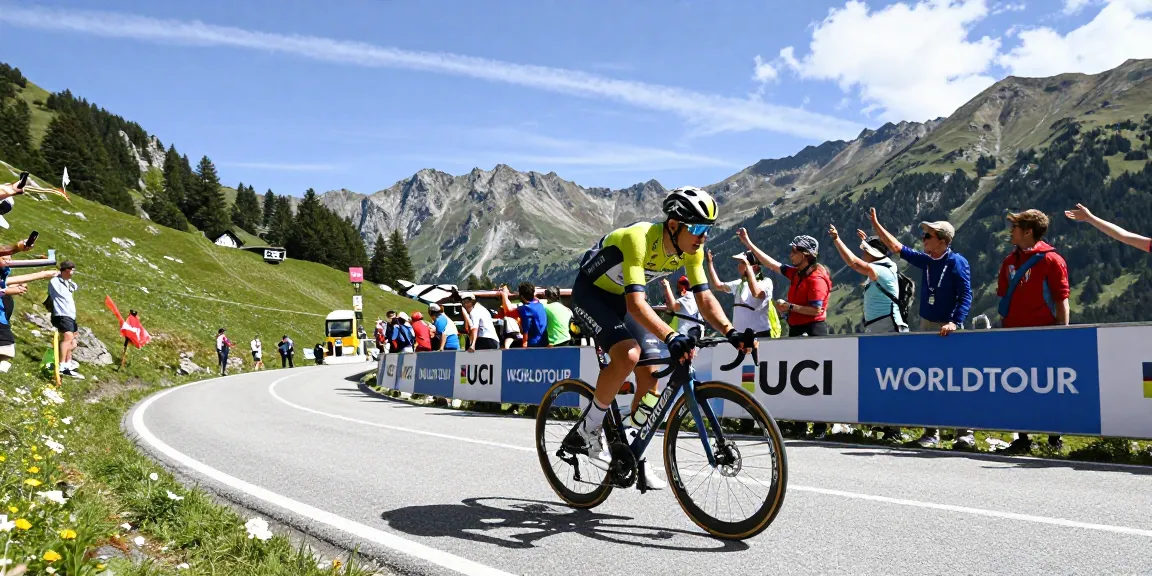
The UCI WorldTour represents the highest tier of men's professional road cycling. It comprises a network of significant races that span the globe, providing athletes an opportunity to accumulate points that contribute to their rankings. The structure is designed to elevate the competition through high-stakes races, including classics, stage races, and Grand Tours. Each event has its unique characteristics, routes, and challenges, ensuring that cyclists must be versatile and well-prepared to perform at their best.
Key Events and Races in 2026
- Tour de France: The flagship event of the cycling calendar, this prestigious race will continue to attract top talent from around the world.
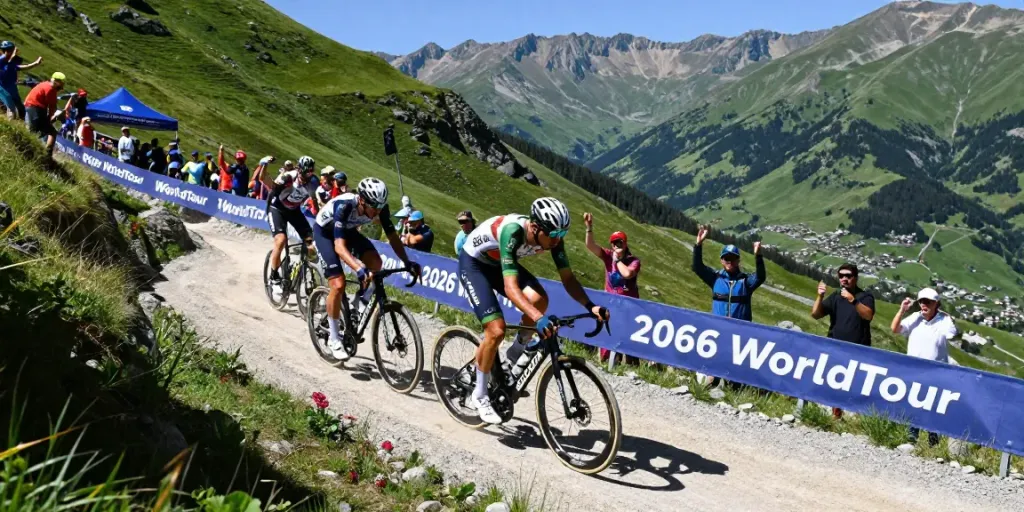
- Giro d'Italia: Known for its challenging climbs and vibrant scenery, the Giro will be a key target for many teams in 2026.
- Vuelta a España: Another Grand Tour where participants will face varied terrains including mountain stages and time trials, crucial for overall standings.
- Spring Classics: Events such as Paris-Roubaix and the Tour of Flanders will test riders’ endurance and skill in one-day races.
- World Championships: A showcase of national pride, where riders represent their countries and compete for the coveted rainbow jersey.
How Team Dynamics Influence Performance
The WorldTour is as much about individual talent as it is about teamwork. Cyclists rely on their teammates for support during stages, whether it’s providing strategic pacing, shielding from wind, or leading out sprinters. Understanding the dynamics within a team is crucial for success in these high-pressure events. Factors such as the role of domestiques, lead riders, and team psychologies all play a significant part in achieving race victories and overall team standings.
Preparing for the WorldTour: Training and Conditioning
To compete effectively in the WorldTour, athletes undertake rigorous training regimens designed to enhance their endurance, strength, and cycling techniques. Preparation is a multifaceted endeavor that requires not only physical training but also mental conditioning.
Essential Training Techniques for Cyclists
Training for the WorldTour involves a mix of long-distance rides, interval training, and recovery sessions. Riders must focus on:
- Endurance Training: Long rides that build aerobic capacity.
- High-Intensity Intervals: Short bursts of speed to improve power output and sprinting ability.
- Climbing Techniques: Specific training focused on tackling steep gradients effectively.
Nutrition Plans for Optimal Performance
A well-structured nutrition plan is vital for athletes competing in the WorldTour. Proper fueling before, during, and after rides ensures cyclists maintain energy levels. A typical plan includes:
- Carbohydrates: Primary source of energy; consumed before rides to ensure glycogen stores are full.
- Protein: Essential for recovery, particularly after high-intensity efforts.
- Hydration: Maintaining fluid balance before, during, and after races is crucial for performance.
Injury Prevention Strategies
Injuries can derail a cyclist's season; hence, injury prevention is a priority. Key strategies include:
- Strength Training: Building muscle strength can support joints and prevent overuse injuries.
- Flexibility Exercises: Stretching and yoga help maintain muscle elasticity and joint mobility.
- Regular Physiotherapy: Assessments and treatments can identify potential problems before they become serious.
The Role of Technology in the WorldTour
Advancements in technology continue to revolutionize cycling, from bike design to athlete monitoring systems. Technology plays an integral role in enhancing performance, keeping athletes competitive at the highest levels.
Latest Innovations in Cycling Gear
Innovative cycling gear contributes to improved performance metrics. Key developments include:
- Lightweight Frames: New materials and designs reduce bike weight without sacrificing strength.
- Aerodynamic Helmets and Apparel: Gear designed to minimize drag can make a significant difference in speed.
- Electronic Shifting Systems: Enhanced control for gear changes can improve race performance.
Using Data Analytics for Performance Improvement
Data analytics allows teams to analyze performance metrics, including heart rate, power output, and cadence. This data is invaluable for:
- Tailoring Training Approaches: Identifying strengths and weaknesses allows for customized training plans.
- Monitoring Recovery: Understanding athlete responses to training can inform recovery protocols.
How Technology Affects Team Strategies
Teams can modify their strategies in real-time based on data collected during races. Insights into competitors' performances and conditions allow teams to make informed decisions, such as when to attack or conserve energy.
WorldTour Cycling Teams: Key Players to Watch
The competition in the WorldTour is fierce, with several teams emerging as strong contenders in 2026. Understanding these teams and their key riders is essential for predicting outcomes and following the races more closely.
Top Teams Competing in 2026
- UAE Team Emirates: Known for their stellar roster, including top riders like Tadej Pogačar, they remain a significant force.
- Jumbo-Visma: With a balanced team of climbers and sprinters, they aim to dominate both classics and tours.
- INEOS Grenadiers: Historical performance makes them a perennial favorite in Grand Tours.
Highlighting Rising Stars in Cycling
While established riders will take the spotlight, emerging talents are poised to make their mark. Look out for:
- Mathieu van der Poel: His versatility makes him a key figure in both road and cyclocross.
- Remco Evenepoel: A young prodigy with exceptional climbing skills, he is expected to shine in major tours.
The Impact of Team Management on Success
Effective management plays a crucial role in a team's success. Strong leadership fosters an environment where athletes can thrive, collectively working towards shared goals. Strategic decisions regarding race entries and rider roles can significantly influence overall outcomes in the WorldTour.
Future Trends in WorldTour Cycling
The WorldTour is constantly evolving, shaped by changes in athlete demographics, environmental concerns, and emerging technologies. Understanding future trends helps fans engage more in the sport as it progresses.
What to Expect in Cycling Events Beyond 2026
As sustainability becomes a dominant theme in sports, expect the WorldTour to incorporate more eco-friendly practices. From reducing carbon footprints in events to promoting green initiatives among teams, the future will likely reflect a growing responsibility within the cycling community.
Emerging Athletes to Follow
With new talent continually entering the sport, staying informed about promising cyclists will enhance your viewing experience. Keep an eye on young riders in lower-tier races who may make their way to the WorldTour stage in coming years.
How Environmental Concerns are Shaping the Sport
Environmental consciousness is increasingly influencing race logistics, including travel and waste management at events. The push for greener operations signifies a shift towards a more sustainable future in cycling.
What is the UCI WorldTour?
The UCI WorldTour represents the top tier of professional road cycling competitions, including numerous key races that occur annually. It features the best teams and riders in the sport, competing for points that contribute to both individual and team rankings.
How can I participate in the WorldTour?
Participation in the WorldTour mainly involves being selected by professional teams, which requires significant talent, dedication, and often years of experience in lower-level competitions.
What are the main races in the WorldTour schedule for 2026?
The 2026 WorldTour schedule includes iconic races such as the Tour de France, Giro d'Italia, and Vuelta a España, alongside various one-day classics and world championships.
How does team selection work in the WorldTour?
Team selection is influenced by a combination of factors including rider performance, team dynamics, and strategic goals. Teams often scout talent from junior levels and lower-tier professional circuits.
What is the role of technology in modern cycling?
Technology plays a critical role through advancements in bike design, training equipment, and performance analysis tools, helping teams and athletes gain a competitive edge.